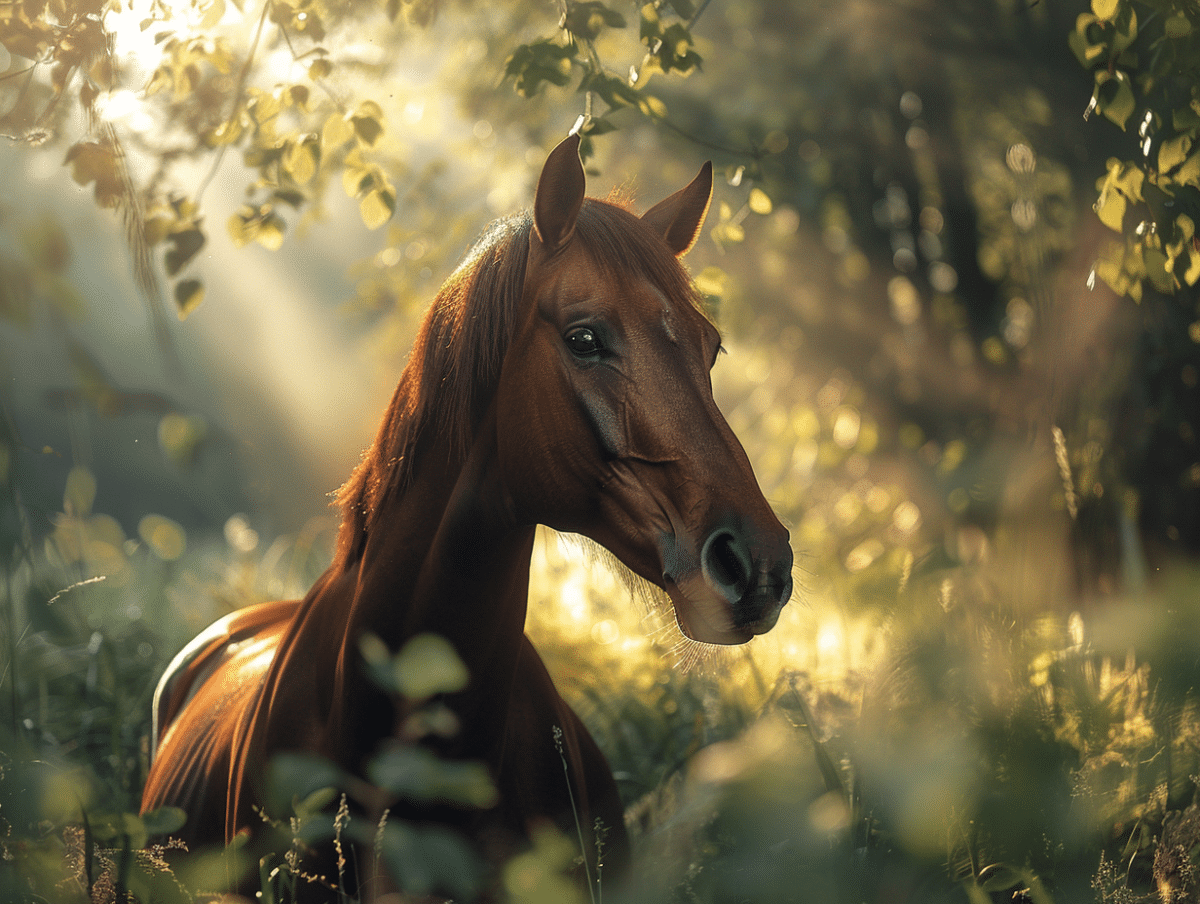
In the equestrian world, a horse’s coat is much more than a simple physical characteristic; it is a true ode to elegance and diversity. Each shade and pattern carries a story, reflecting the genetic richness and cultural heritage of these noble creatures. From deep blacks to immaculate whites, including roans, chestnuts, and bay-browns, the hues are infinite and captivate both breeders and equestrian enthusiasts. This focus on the equine color palette celebrates the natural beauty and subtleties that make each horse a living work of art.
The Secrets of Equine Elegance: Understanding Coat Shades
The coat of a horse, defined by the fur that adorns it, offers a unique visual spectrum. Solid coats, of a single color, testify to a clear and direct genetic expression, while composite coats reveal more complex color combinations, the result of a genetic heritage blending multiple traits. These chromatic variations, far from being mere whims of nature, are the result of meticulous selection over generations, shaping the visual identity of each equine breed.
In detail, solid coats unfold in various shades: chestnut with its sorrel hairs, the golden café-au-lait, reserved for imported ponies and horses, or the black, with uniformity free from brown traces. These shades, although monochromatic, are not lacking in depth. Consider the gray horses, often descended from black or bay ancestry, which evolve towards an increasingly pronounced whiteness with age, illustrating the dynamic life of the equine coat.
Composite coats, on the other hand, are characterized by their distinctive patterns, such as tobiano, balzan, sabino, or overo, where mixtures of white blend with darker shades to create unique designs. These coats, marked by sharp boundaries or diffuse spots between different colors, are not mere aesthetic attributes; they embody the biological and cultural diversity of the equestrian world, each pattern carrying a specific story and origin.
The Color Palette and Its Meanings in the Equestrian World
The coat of horses, more than just a physical characteristic, proves to be a marker of cultural identity and a selection criterion in competitive and breeding spheres. The chestnut, for example, stands out with its sorrel tones, as varied as the shades of a sunset. This color, often associated with spirit and energy, is prized in many equestrian disciplines.
The café-au-lait, this golden coat, remains the domain of ponies and imported horses, granting them an exotic status in beauty contests and parades. The rarity of this shade, combined with its brightness, makes it a sought-after coat for its distinguished appearance and originality.
In striking contrast, black, with its absolute darkness, imposes a majestic presence. A black coat without traces of brown or sorrel symbolizes elegance and power, an ideal often sought for show horses or ceremonial mounts. Due to its rarity and the difficulty in maintaining its purity, black is emblematic of a certain prestige in the equine world.
The white, this immaculate and radiant coat, is a jewel of the equestrian world. Although often confused with gray, which whitens with age, true white coats are a genetic curiosity, a rare pearl that leaves no one indifferent. Beyond its beauty, it embodies purity and nobility, contributing to the mythology surrounding horses with snowy hues.