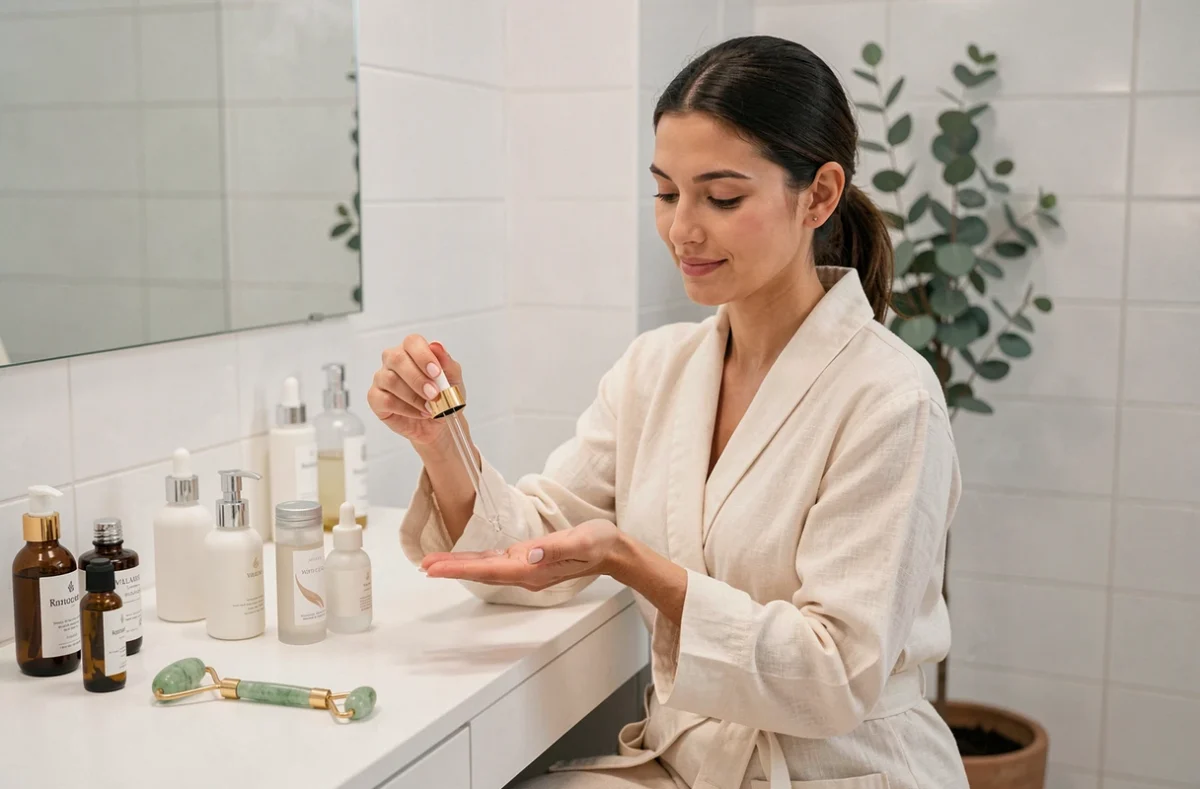
The online beauty and health market has profoundly changed the way consumers access cosmetic products and care. Between product sheets, sponsored tutorials, and marketing claims, the available information is abundant, but its reliability varies significantly. Understanding the mechanisms that govern this digital universe allows for more informed choices, whether one is looking for skincare, hair products, or wellness supplements.
Online Cosmetic Claims: What European Regulations Require
When a product sheet highlights a star ingredient or promises a visible result, this communication is not merely a commercial argument. In the European Union, cosmetic claims must comply with specific criteria of conformity, truthfulness, and proof. Highlighting an ingredient is not enough to demonstrate the effectiveness of the finished product.
This distinction is often misunderstood by online shoppers. A cream featuring a recognized active ingredient (hyaluronic acid, retinol, niacinamide) may contain that ingredient in a concentration too low to produce the claimed effect. Regulations require that claimed results be substantiated, but effective monitoring of product sheets on marketplaces and sales sites remains a challenge for authorities.
For those wishing to explore Beauty Health in detail, critically reading claims serves as a first filter. Looking for the INCI list (International Nomenclature of Cosmetic Ingredients) rather than just brand names provides a more accurate picture of the actual composition.
Sponsored Content and Beauty Influencers: Spotting the Commercial Aspect
Beauty product recommendations on social media have now become a major information channel. Tutorials, morning routines, comparisons of facial or hair care: these formats inspire trust because they borrow the codes of personal testimony.
However, French law regulates these practices. The absence of a clear mention of commercial intent can constitute misleading commercial practice when this intent is not apparent from the context. In practical terms, a content creator who receives payment or free products in exchange for promotion must disclose this in an identifiable manner.
The issue goes beyond just beauty influencer reviews. It also concerns sponsored routines and advice that present themselves as neutral guides. A few clues help identify this content:
- The presence (or absence) of mentions like “partnership,” “commercial collaboration,” or “ad” at the beginning of the post
- The fact that only one product or brand is consistently recommended in multiple pieces of content from the same creator
- Affiliate links (often recognizable by tracking parameters in the URL) that generate a commission with each purchase
These elements do not automatically disqualify the advice given, but they help gauge the degree of independence of the recommendation.
Retouched Photos and AI-Generated Images in Beauty Demonstrations
An aspect rarely addressed in online beauty guides concerns the visual reliability of demonstrations. French regulations require mentions for certain modified or virtual images in influencer content. For a consumer, the distinction between the appearance shown and the actual effect produced by a treatment or cosmetic has become more difficult to establish.
Filters integrated into social platforms smooth the skin, alter lighting, and change colors. When a facial treatment is presented under these conditions, the perceived result does not reflect the action of the product alone. AI-generated images add a level of complexity, as they can produce realistic visuals unrelated to a real test.
How to Evaluate an Online Beauty Result
In light of these limitations, a few reflexes help better assess what one sees:
- Favor photos taken in natural light, without visible filters, ideally in “before/after” format on the same person
- Check if the creator mentions the duration of product use, the testing conditions, and other treatments used concurrently
- Compare results presented by different sources for the same product, taking into account variations related to skin type
- Be wary of spectacular results achieved in just a few days, as most cosmetic actives require several weeks of regular use to produce measurable effects

Building an Online Beauty and Health Routine: The Limits of Automated Personalization
Many sites offer online skin diagnostics, quizzes, or algorithms intended to recommend the ideal routine. These tools generally ask a few questions about skin type (oily, dry, combination, sensitive), main concerns, and budget.
These questionnaires do not replace a dermatological diagnosis. They guide towards product categories rather than formulations suited to a specific skin condition. A consumer with reactive skin, for example, may receive contradictory recommendations depending on the platforms consulted.
The quality of personalization also depends on the site’s catalog. A recommendation tool integrated into an online store logically directs users to products available in its own stock. This commercial bias, rarely explained, limits the scope of the advice.
What is Often Missing in Online Beauty Guides
Most content focuses on choosing cosmetic products and skincare routines for the face, body, or hair. They less frequently address interactions between active ingredients, contraindications related to certain medical treatments, or the impact of environmental conditions on the effectiveness of a treatment.
An online beauty and health guide becomes more useful when it incorporates these dimensions. The most valuable information is not that which recommends a product, but that which helps understand why it might or might not be suitable for a particular situation.
The European regulatory framework on claims, transparency obligations regarding sponsored content, and mentions related to retouched images form a foundation. However, their application remains uneven across platforms and countries. Keeping these markers in mind transforms navigation in the online beauty and health universe from a passive journey into an active reading process.