A dessert made with eggs can curdle or crack, even when the recipe has been followed to the letter. Some delicate mixtures refuse to achieve the expected texture despite a respected cooking time. Experienced bakers avoid these mishaps by using a simple method, often reserved for professionals, that does not alter the flavor or appearance of the ingredients.
Adding an intermediate step in the cooking process allows for better control of the temperature rise and ensures stable results, regardless of the recipe. This method limits the heat fluctuations responsible for frequent failures in home cooking.
Baking in a water bath: stability and gentleness for home cooking
Baking in a water bath emerges as a preferred solution for uncompromising recipes. Professionals use it for a simple reason: by placing a bath of hot water between the heat source and the preparation, the temperature rise is effectively tempered. The water absorbs the peaks, protects against overheating, and ensures that every corner of the dish receives uniform treatment. The edges no longer dry out, the center does not remain raw: everything gains in homogeneity. While a conventional oven imposes its logic, the water bath imposes its nuances.
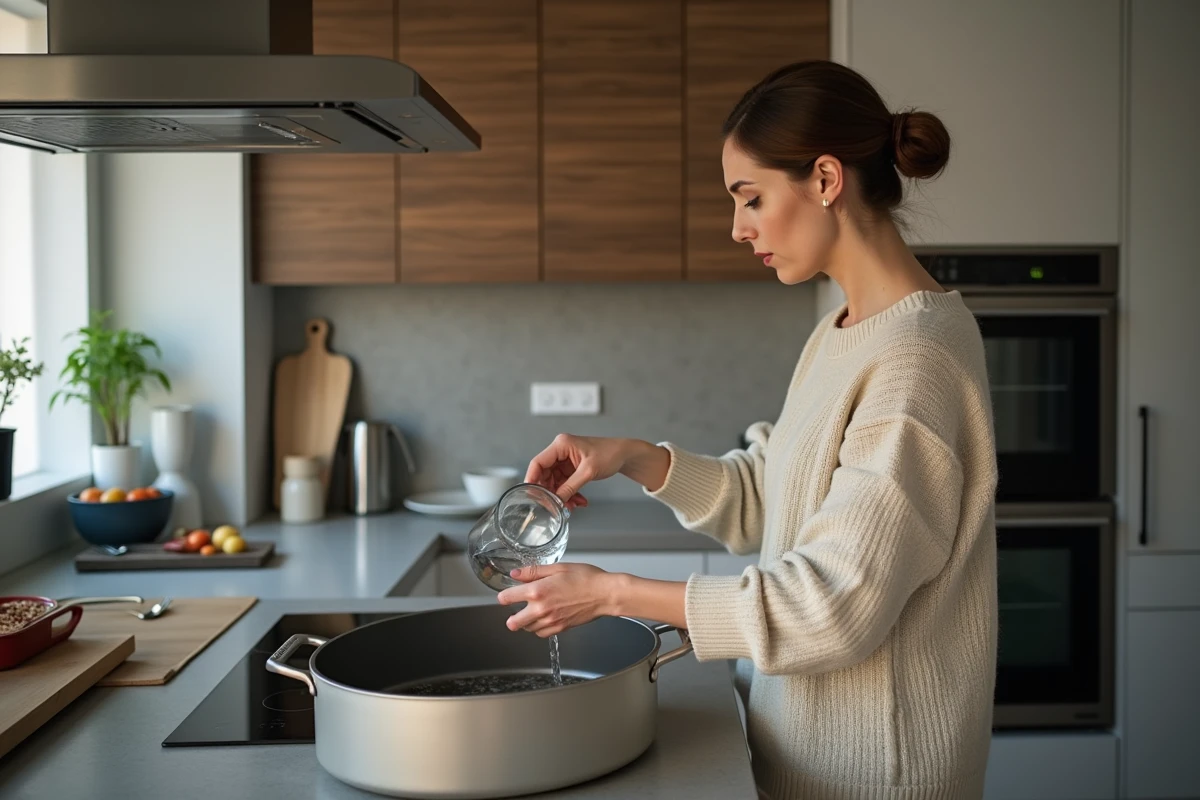
In practice, nothing is complex. You place your mold in a larger dish, add hot water all around, and then put both in the oven. As the water slightly evaporates, it envelops the preparation in a steady and gentle heat. This approach tames fragile mixtures: flans, creams, terrines—everything that does not like shocks or sudden variations finds a reassuring environment here.
For those looking to understand, baking in a water bath proves to be a powerful trick to preserve all the moistness of your desserts and the creaminess of your dishes. The ambient humidity slows the formation of thick crusts or grainy textures, revealing the finesse of creations usually deemed capricious. Here, the expected result is especially associated with consistency: creams that remain silky, desserts without holes or burns, mixtures that deliver the best.
Some direct effects of this method deserve to be highlighted:
- Controlled temperature for flans, clafoutis, and other delicate desserts
- Prevention of drying out thanks to the enveloping steam
- Guarantee of slow and harmonious cooking for fragile preparations
Concrete benefits at home: textures, flavors, and mastery
This cooking method changes the appearance of your homemade cakes and desserts. Your flans come out smooth, cheesecakes retain all their creaminess, and desserts display perfect structure, without cracks or overflow. The creaminess remains until the last spoonful, and the texture stays uniform from edge to center.
Here’s what baking in a water bath allows in your recipes:
- The heat envelops each portion, eliminating overcooked or too soft areas
- The water acts as a buffer and prevents excessive cooking, maintaining a beautiful consistency in temperature
- The method is suitable for terrines, pastry flans, as well as delicate sauces and refined dairy desserts
With this gesture, anyone can step into the big leagues. Flavors are preserved, and textures seduce with their subtlety. A caramel cream, for example, no longer has that overcooked egg mark or bumpy surface. The same attention to detail applies to a seasonal vegetable terrine: the colors remain vibrant, and the palate discovers new dimensions, stemming from the mastery of the process.
Ultimately, everything hinges on the consistency of the heat penetrating the preparation. Abrupt fluctuations have no place with the water bath. This explains why chefs and discerning amateurs swear by this technique whenever the result leaves no room for compromise.
Successfully baking in a water bath and recipes to try
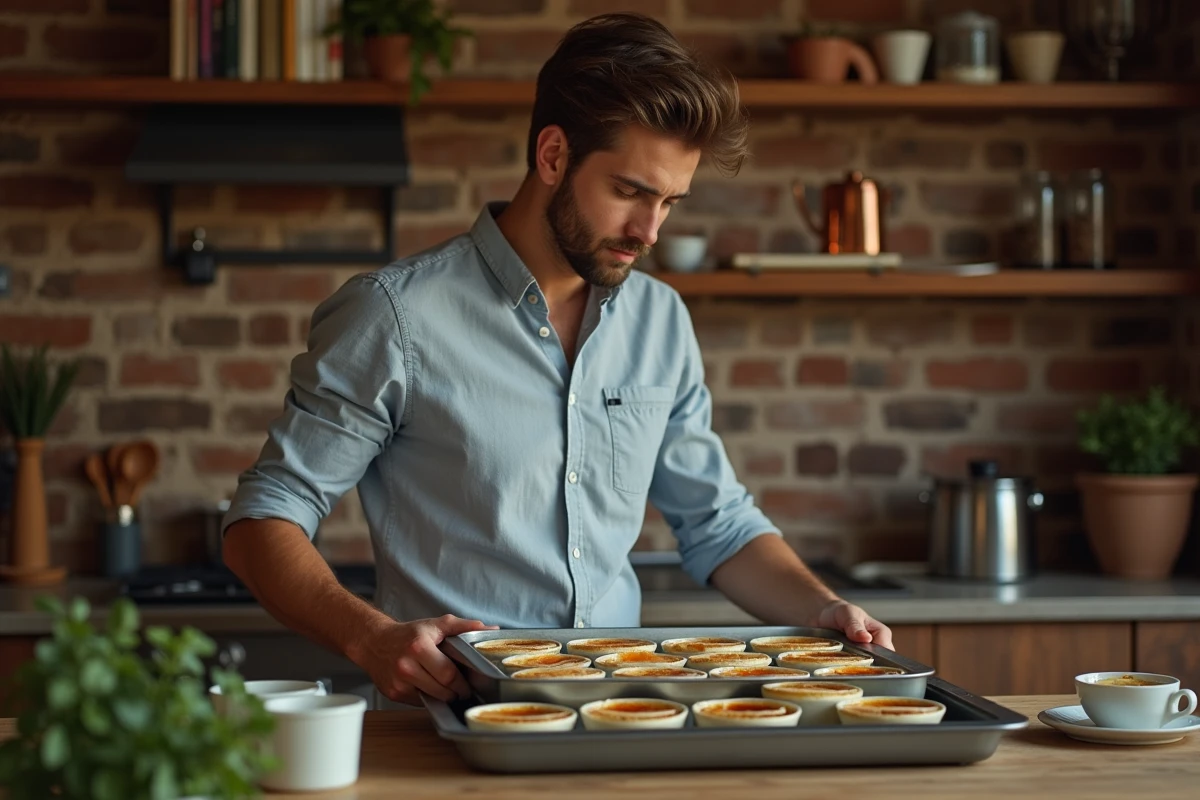
To get started, always prepare two containers: one for the preparation, and a larger one to hold hot water. Fill gently, up to halfway up the mold, and prefer water that is just simmering while avoiding exceeding 160°C: textures do not like brutality. Place the whole setup in the already hot oven, calmly monitor the cooking, and let time do its work.
To illustrate everything this method makes possible, here are several creations that benefit fully:
- A chocolate fondant that is even more tender, prepared in a water bath for slow and even melting
- Vegetable terrines that are vibrant and flavorful, with aromas that remain vivid
- Eggs en cocotte that are perfectly creamy, never overcooked, just coated in creaminess
- Hollandaise sauce finds in this cooking method a guarantee against the appearance of lumps
The water bath method is not reserved for desserts alone: gratins, fish cakes, savory flans, and even festive dishes like foie gras or salmon benefit greatly. These dishes retain all their moistness, a uniform texture, and display bolder flavors. Even modest side dishes take on a new dimension, simply by mastering the temperature curve.
Baking in a water bath is the key for those who want to play with precision without spending hours. Rigor and patience pay off. When taken out of the oven, it’s much more than just a dish; it’s the sensation of the right gesture that leaves a lasting impression. Would you have believed that water, simply put, could do so much for your homemade recipes?