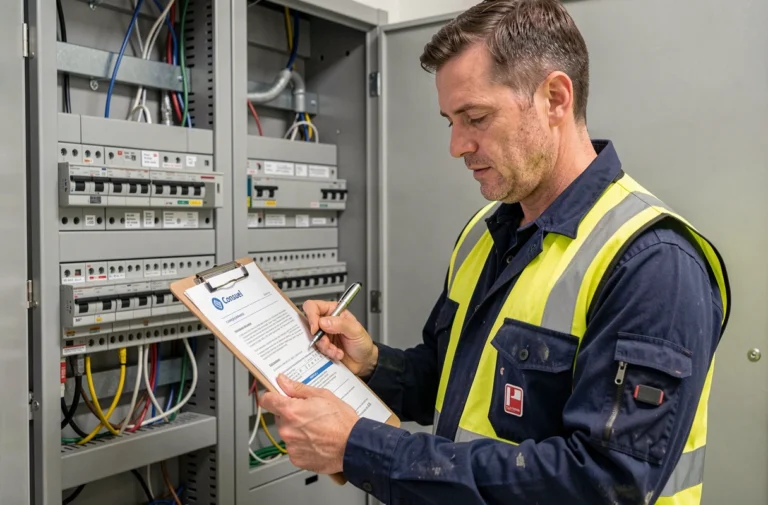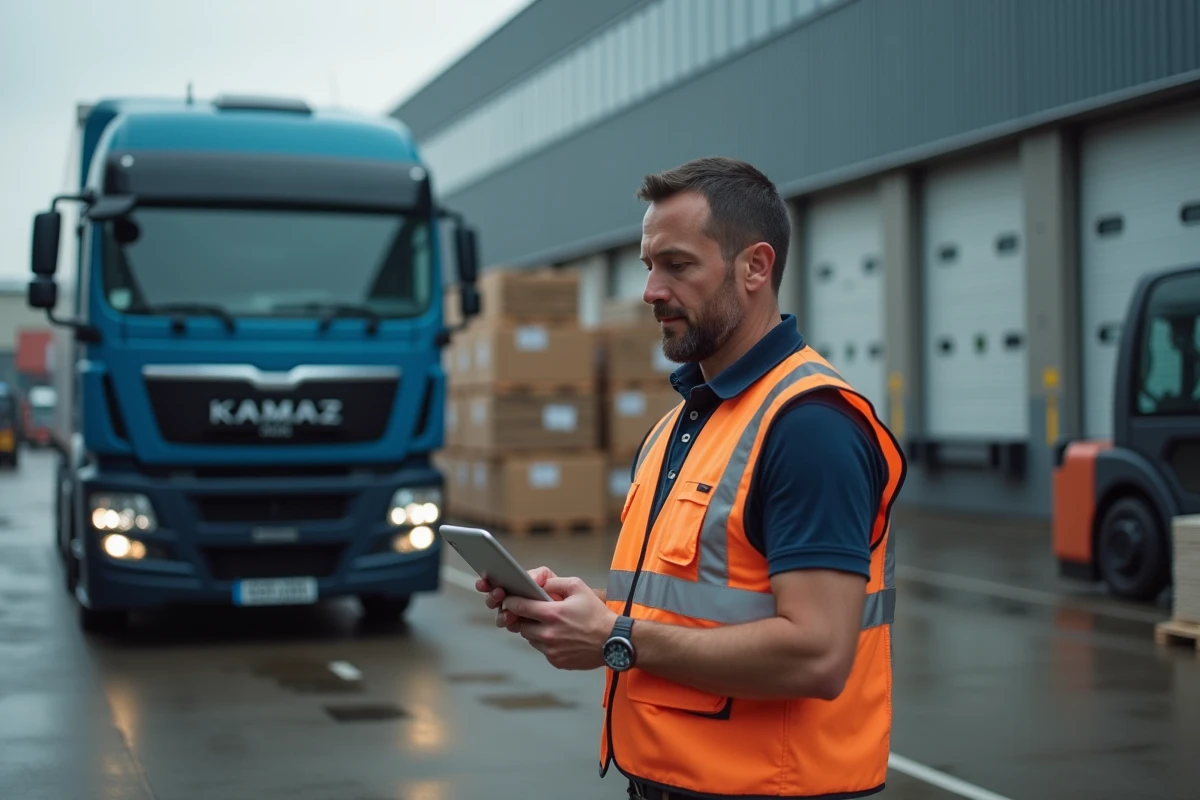
On an industrial maintenance site, the most common time loss does not come from a machine breakdown. It comes from a poorly filled order form, an untraceable intervention history, or a spare parts inventory estimated by guesswork.
When managing a fleet of heavy vehicles or a distribution network, these micro-administrative failures cost more than most mechanical breakdowns. Kamaz’s business solutions specifically target this type of operational friction by combining digital tools and field sensors rather than stacking disconnected cloud modules.
Standardization of field forms before any data analysis
We often talk about dashboards, performance indicators, business intelligence. In practice, most industrial SMEs are not there yet. Their first problem is that the data they collect is inconsistent from one site to another, from one technician to another.
Experiences from the agri-food distribution sector in West Africa show that the simple standardization of data collection forms significantly reduces input errors within the first three months. Orders, customer service requests, intervention reports: when everyone fills in the same fields in the same order, duplicates, empty fields, and ambiguous descriptions are eliminated. This gain occurs even before the complete deployment of a dashboard.
In concrete terms, if your distribution network or truck fleet still uses paper forms or unharmonized spreadsheet files, this is where to start. Companies discovering Kamaz’s business solutions are often surprised to find that the first proposed project is not an analytical software, but a data normalization task.

Phygital approach for logistics and vehicle maintenance
The term “phygital” is widely used in retail. Kamaz applies it to a completely different context: the management of heavy vehicle fleets and the maintenance of industrial equipment. We are talking about physical sensors coupled with a digital tracking platform, not a consumer mobile application.
The basic idea is simple. A sensor installed on a truck or machine sends back data on wear, temperature, or consumption. This data feeds a dashboard accessible from the office or the field. The logistics manager no longer waits for a driver to report a problem: he sees it appear in his interface.
What it changes on the ground
In a warehouse or workshop, preventive maintenance is often based on fixed schedules. A part is changed every X hours of operation, whether necessary or not. With real-time data feedback, we move to a conditional logic: we intervene when the wear indicator justifies it.
Feedback varies on this point depending on the type of equipment and operating environment, but the principle remains the same. Replacing a fixed schedule with a measured threshold avoids both unnecessary interventions and unexpected breakdowns.
- Continuous monitoring of vehicle status without relying solely on manual reports from drivers
- Triggering maintenance alerts based on real thresholds rather than calendar estimates
- Centralizing data from multiple sites or depots on a single platform, accessible from the field
Traceability and electronic invoicing: a regulatory constraint that becomes a lever
A topic that competitors in digital consulting rarely address: regulatory compliance related to electronic invoicing and traceability. Several French-speaking African countries are tightening their requirements regarding e-invoicing, based on a model inspired by European regulations. The obligations affect both B2B and B2G exchanges.
Kamaz integrates e-invoicing compliance directly into its management modules, which prevents companies from juggling between invoicing software, traceability tools, and tax reporting platforms. For an SME managing freight transport or product distribution, this integration is not a bonus. It is a condition for continuing to operate legally in certain markets.
Two concrete points to check
- Is your invoice format compatible with the tax validation platforms of the countries where you operate? If you export to several French-speaking markets, the answer is not always the same from one country to another
- Are your delivery notes time-stamped and archived in an exploitable format? Traceability is not limited to knowing where a truck is; it includes documentary proof of each step in the chain
- Does your current system allow for automatic generation of required declarations, or do you still need to manually re-enter data into an administrative portal?
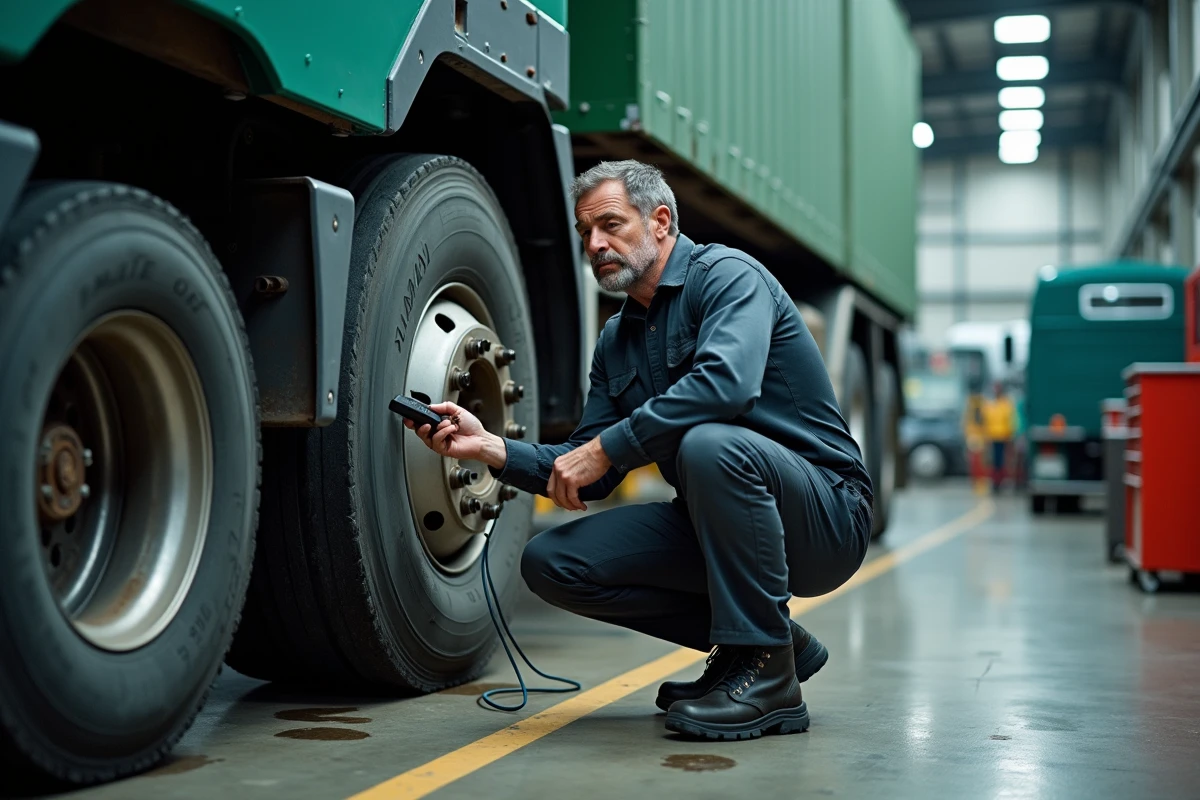
Truck fleet management: choosing between integrated modules and separate tools
When managing a transport fleet, the temptation is strong to stack tools: a GPS here, accounting software there, a spreadsheet for schedules. Each tool works, but none communicate with the others. The logistics manager then spends part of his day copying data from one system to another.
An integrated platform reduces the number of re-entries and limits discrepancies between what the field says and what reporting shows. This is the principle of Kamaz solutions focused on transport and logistics: to consolidate vehicle management, customer tracking, maintenance interventions, and invoicing in the same environment.
We won’t claim that this solves everything. An integrated tool also imposes compromises: each module is sometimes less specialized than dedicated software. For a company whose core business relies on freight transport, the main selection criterion remains the reliability of the data shared between modules, not the functional richness of a single screen.
The most cost-effective starting point for an industrial SME looking to optimize its management often remains the least spectacular: harmonizing what is collected, ensuring the reliability of what is transmitted, automating what is declared. Analytical tools and dashboards will come later, when the data that feeds them is clean.