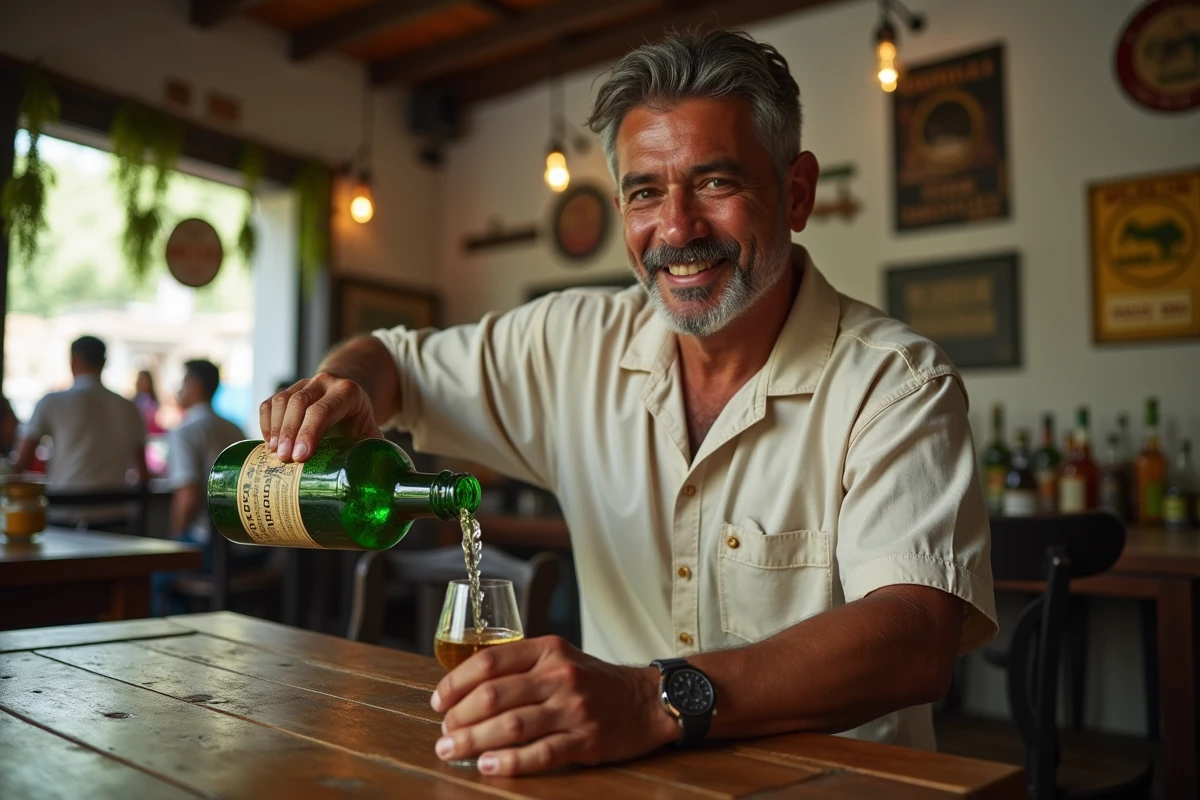
Aguardiente is consumed everywhere in Colombia, but the way it is served, mixed, and accompanied varies by region, social context, and type of product. With an alcohol content of 29 degrees and an aromatic profile dominated by anise, this sugarcane spirit is distinctly different from the European spirits it is often compared to (pastis, ouzo, raki). Understanding these differences allows for a greater appreciation of each sip.
Departmental monopoly and aromatic profile: what distinguishes each aguardiente
Each Colombian department produces its own brand of aguardiente through public or semi-public companies. The Licorera de Antioquia produces the Antioqueño, the most exported reference. Other regions offer versions with or without added sugar, and the dosage of anise varies significantly from one distillery to another.
This monopoly structure, regulated by Law 1816 of 2016, has been the subject of recent parliamentary debates regarding a partial liberalization of the market. For the consumer, the direct consequence is simple: tasting only one aguardiente does not provide a complete picture of the category.
| Criterion | Classic aguardiente (Antioqueño type) | Premium / artisanal aguardiente |
|---|---|---|
| Added sugar | Yes, in most versions | Often without sugar |
| Aromatic profile | Strong anise, slightly sweet | More complex, herbal or floral notes |
| Common consumption mode | Pure shot, festive cocktails | Tasting at room temperature |
| Distribution | Departmental monopoly, wide distribution | Small distilleries, short circuits |
| Target audience | General public, popular festivals | Spirits enthusiasts (gin/mezcal profile) |
Some of these artisanal distilleries now offer certified organic aguardientes, with a profile designed for pure tasting rather than quick shots. This segment remains minority, but it changes the perception of the drink internationally.

Tasting rituals of aguardiente in Colombia
The most common gesture remains the dry shot, served in a small glass (copita) during family gatherings, village festivals, or evenings with friends. The bottle circulates, everyone serves themselves, and the collective rhythm takes precedence over individual tasting. This ritual has an informal name: the shared “guaro.”
Here are a few codes to know to avoid faux pas:
- You do not refuse a drink offered without explanation; it is seen as a lack of respect towards the host or the group
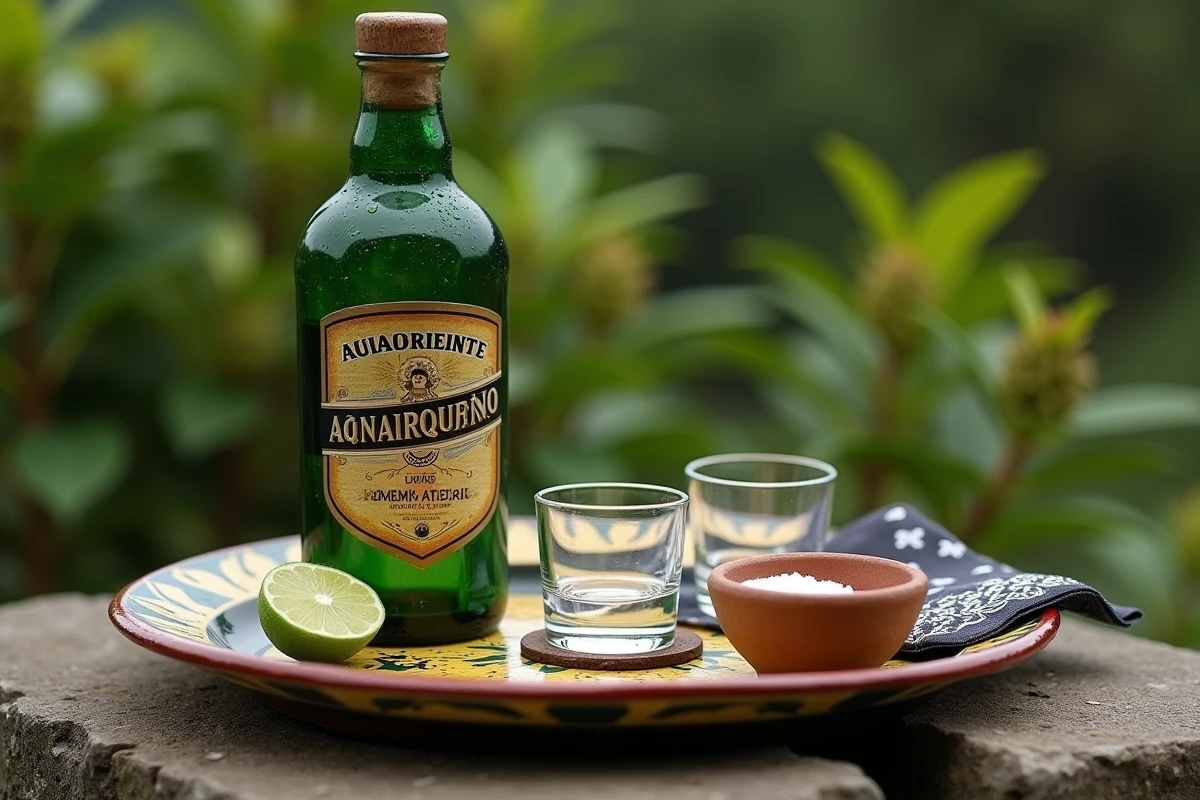
- The shot is consumed in one go, sometimes followed by a slice of lime or a sip of still water
- In the Andean regions, aguardiente is also used in the preparation of canelazo, a hot drink made with cinnamon and panela (unrefined cane sugar), consumed at high altitudes to warm up
Preparing a Colombian aguardiente sour recipe is another approach, closer to mixology, that appeals to both urban Colombians and curious travelers.
Aguardiente in cocktails: the Colombian bar scene changes the game
Bars in Medellín, particularly in the Provenza neighborhood (El Bandido, La Sala), have started to incorporate aguardiente into signature cocktail menus. You can find twists on Negroni, Spritz, or Collins where aguardiente replaces gin or vermouth.
The anise in aguardiente adds an aromatic dimension that few spirits replicate in a cocktail. The slightly sweet note of classic versions facilitates balance with acidic ingredients like lime or passion fruit.
This movement is part of a broader trend of valuing local products by the Colombian gastronomic scene. The country’s lifestyle press (supplements of El Tiempo, Semana) has been documenting this return to roots in mixology for several years.
Three pairings that work
Classic aguardiente with lulo juice (a Colombian tropical fruit with marked acidity) creates a balanced cocktail without masking the anise. Aguardiente without sugar, served on ice with a twist of lemon, resembles a tasting ritual comparable to that of mezcal.
For hot drink enthusiasts, canelazo remains the most deeply rooted combination in Andean tradition. Panela, cinnamon, hot water, and aguardiente are all you need for an authentic result.
Serving temperature and storage of aguardiente
The majority of Colombians drink aguardiente at room temperature. Some place it in the freezer before serving, which reduces the sensation of alcohol and makes the anise more discreet. The choice depends on the context.
- At room temperature, the aromas of anise and sugarcane are more expressive, which is better suited for attentive tasting
- Very cold, the drink gains roundness and is more suitable for quick shots in a group
- In cocktails, the temperature of the aguardiente matters little since ice and other ingredients adjust the overall mix
In terms of storage, an opened bottle can last several months without notable alteration due to the alcohol content. No need for permanent refrigeration.
The quality of Colombian sugarcane, cultivated in the Cauca Valley and the Antioquia region, partly explains the characteristic sweetness of aguardiente compared to other anise spirits. This raw material, distilled several times, produces a spirit that is rounder than Turkish raki or Greek ouzo, despite a lower alcohol content. For those discovering aguardiente, starting with a classic Antioqueño version before exploring artisanal ranges remains the most logical path.